Kansas City, MO DSCR Snapshot – M4 – April 2026
Kansas City’s single‑family and 2‑4 unit markets remain DSCR‑friendly. City‑level rent and value data support a 1.20× DSCR screen, while East KC ZIPs offer higher gross rent‑to‑value ratios and lower‑basis entry. Inventory growth and 40 % sales‑under‑list give borrowers a negotiation edge, but rising prices may compress yields for small multifamily.
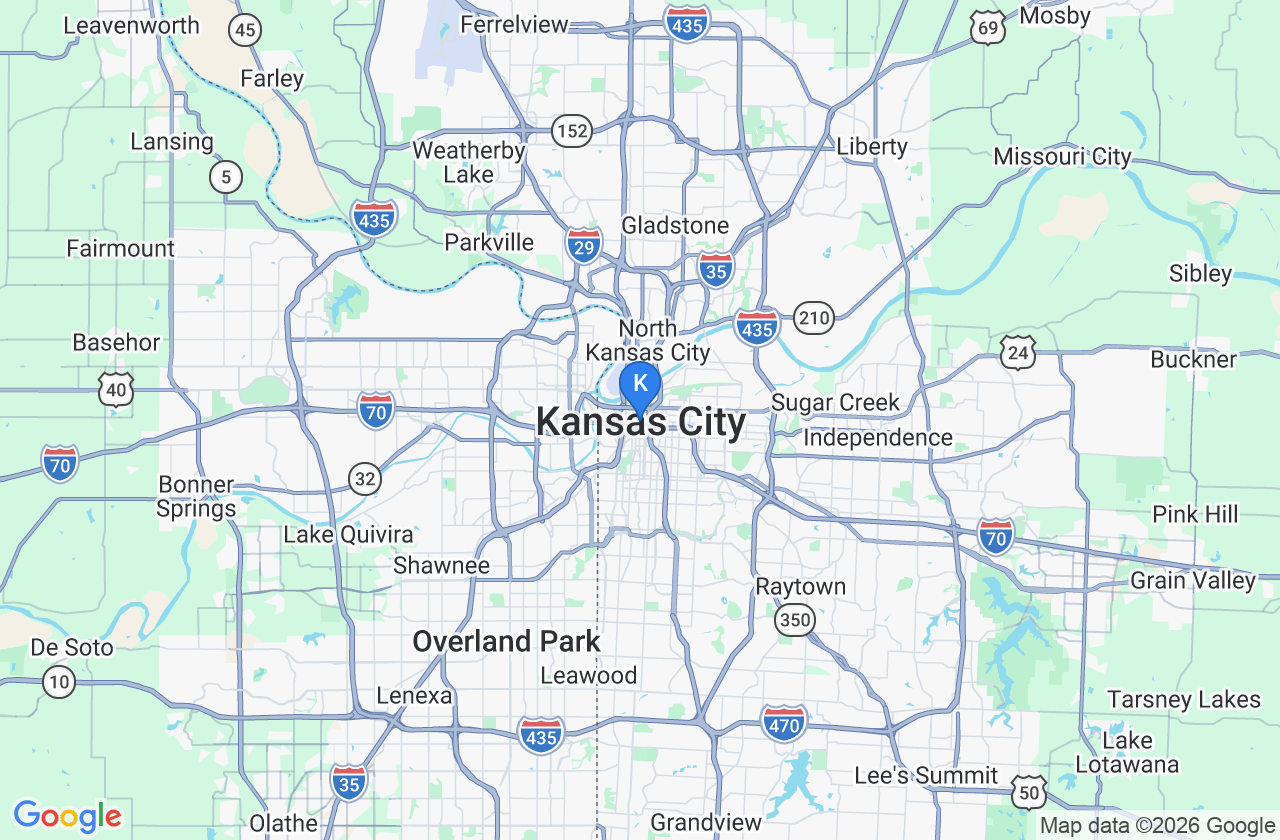
Live market dashboard
Kansas City, MO
Compare the live market screen with this article before you move into a property-specific scenario.
Investor takeaway
Target East KC ZIPs 64109/64127 for SFR and 2‑4 unit acquisitions; monitor Waldo 64110 for rent softness; negotiate 40 % below list
Why Kansas City is a DSCR‑Friendly Market Right Now
Kansas City’s public data shows a clear DSCR‑friendly environment for single‑family and small multifamily investors. The city’s average rent (ZORI) is $1,465, and the gross rent‑to‑value ratio sits at 7.0 %. Using a 1.20× DSCR floor, the rough maximum PITIA is $1,157, which is the public proxy for the highest monthly payment a borrower can afford before taxes, insurance, vacancy, and capex. This screen is intentionally conservative; it is a public filter, not a parcel‑level financing truth. The key takeaway is that the city’s rent and value metrics comfortably support a DSCR of 1.20 or higher for most single‑family and 2‑4 unit properties, giving borrowers a solid baseline for further analysis.
The market’s attractiveness is amplified by East Kansas City ZIPs (64109 and 64127) that offer gross rent‑to‑value ratios above 8 %, well above the city average. These ZIPs provide lower‑basis entry points and higher cash‑flow potential, making them prime targets for DSCR‑focused acquisitions. In short, Kansas City’s public metrics give borrowers a clear, actionable DSCR screen and a set of ZIPs that promise even stronger returns.
Evidence: City Avg Rent (ZORI) $1,465, City Gross Rent‑to‑Value Ratio 7.0 %, City Max PITIA at 1.20× DSCR $1,157.
The Public DSCR Quick‑Screen in Kansas City
City Avg Rent (ZORI): $1,465 (Kansas City, MO). City Gross Rent-to-Value Ratio: 7.0%. The rough max PITIA of $1,157 is a screening ceiling before taxes, insurance, vacancy, and capex, not a payment target you can trust without more work.
Treat $1,157 as a fast reject line. If a listing only works by stretching rent, assuming cleaner expenses than the local reality, or hoping the lender will bail out thin coverage, the Kansas City screen is already telling you to pass early.
The practical move is to use the city read to decide whether a listing deserves another look, then verify the rent ceiling at the ZIP and property level before you spend time on lender docs. Use the public dashboard as a screening and prioritization layer, not as parcel-level financing.
Acquisition Leverage: Inventory, Prices, and Rent Growth
Kansas City is a basis-first market right now, not an appreciation-first market. Strong acquisition leverage in core corridors driven by inventory surge, 71‑day DOM, and 40 % sales‑under‑list. 3‑9 % price gains and 4.4 % YoY rent growth support DSCR headroom.
That matters because the public DSCR screen only works when the buy basis leaves room beneath $1,157 before real-world friction. If a deal needs rent stretch, unusually light expense assumptions, or future appreciation just to clear that line, the basis is already doing too much work.
Strong 4.4% YoY rent growth, 40% sales under list, and 17% inventory surge give DSCR headroom. The opportunity is to use inventory and negotiation leverage to buy cleaner, not to assume future appreciation will rescue thin coverage.
The practical caution is simple: June 2025 data lag may understate 2026 appreciation; high‑value suburbs (KSSuburb‑BB) fail DSCR screen. Fund Kansas City as a negotiation-and-rent-verification market, with first attention on 64109 East Kansas City (64109 proxy) and 64127 Urban Core North (64127 proxy), rather than as a citywide appreciation bet.
Reconciling the Signals: What Makes the Market Work
The mixed read in Kansas City comes down to this: Strong 4.4% YoY rent growth, 40% sales under list, and 17% inventory surge give DSCR headroom. June 2025 data lag may understate 2026 appreciation; high‑value suburbs (KSSuburb‑BB) fail DSCR screen.
Those conditions can both be true at the same time. The positive signal lives in basis, inventory, and seller posture; the caution lives in rent proof, submarket dispersion, and the fact that the city screen is only a evaluation layer.
That is why Kansas City is usable, but selectively usable. Screen the market at the city level, decide at the ZIP level, and only trust a deal after parcel-level financing confirms the rent ceiling still works in 64109 East Kansas City (64109 proxy) and 64127 Urban Core North (64127 proxy).
In practice, keep 64110 Waldo/Brookside (64110 proxy), 64111 Midtown/Westport (64111 proxy), and North of downtown (proxy) as backup sourcing areas and treat Overland Park/Olathe Buy-Box as caution territory unless a deal-specific rent edge is obvious.
ZIP‑Level Evaluate: Where to Focus Your Search
Start with 64109 East Kansas City (64109 proxy) and 64127 Urban Core North (64127 proxy) because those areas are the cleanest current path to a workable DSCR screen.
- 64109 East Kansas City (64109 proxy): Lower-basis homes ~$200K-$250K with rents $1,600+ yield gross rent-to-value ~9%+, clearing 1.20x DSCR screen easily vs city 7.0%; urban core demand from employment anchors. Why it screens: gross rent-to-value >8%, lower basis buy box.
- 64127 Urban Core North (64127 proxy): Affordable entry $200K-$320K, rents $1,600-$2,300 support typical DSCR 1.20-1.35; high cash flow potential despite management needs, aligns with city rent growth. Why it screens: rent-to-value screen passes 1.20x.
- 64110 Waldo/Brookside (64110 proxy): Appreciation +4.3% YoY signals value but rents must hit $1,500+ on $250K+ values for DSCR viability; rising inventory aids negotiation, monitor rent softness. Why it screens: rough gross check marginal at 7-8%.
- 64111 Midtown/Westport (64111 proxy): Professional demand drives rents but values elevated ~$300K; requires $2,000+ rents for DSCR clear, promising with value-add but evidence thinner than East KC. Why it screens: rent-to-value ~7.5%, watch for softness.
- North of downtown (proxy): East KC Avg Rent Proxy: $1,600-$2,300. Homes $200K-$320K yield rents supporting DSCR >1.20x. This is a buy-box proxy rather than a literal ZIP row.
Use 64109 East Kansas City (64109 proxy) and 64127 Urban Core North (64127 proxy) for first-pass sourcing because those ZIPs currently offer the cleanest balance between basis and rent support.
Treat Overland Park/Olathe Buy-Box as caution areas unless a deal-specific rent edge clearly offsets the weaker posture.
Use the watch ZIPs as secondary sourcing areas only after you verify rent quality, tenant profile, and management risk.
What to Do in the Next 90 Days
For the next 90 days, the job is to convert today’s seller leverage into cleaner basis before that window narrows. Target East KC ZIPs 64109/64127 for SFR and 2‑4 unit acquisitions; monitor Waldo 64110 for rent softness; negotiate 40 % below list
- Source first in 64109 East Kansas City (64109 proxy) and 64127 Urban Core North (64127 proxy) where the current screen is clearest.
- Keep 64110 Waldo/Brookside (64110 proxy), 64111 Midtown/Westport (64111 proxy), and North of downtown (proxy) as secondary areas if pricing improves faster than management risk.
- Use $1,157 as the fast reject line before taxes, insurance, vacancy, and capex.
- Watch acquisition leverage: Strong rent growth +4.3% YoY supports DSCR; 40% sales under list signals negotiation edge
- Watch rent cushion: Dated June 2025 metrics may understate 2026 appreciation (Redfin +9.1% YoY Jan 2026)
If inventory normalizes or the rent ceiling weakens, tighten the screen instead of expanding the buy box. The near-term edge is disciplined negotiation and rent verification, not waiting for appreciation to rescue thin coverage.
Your Deal‑Screening Playbook
Step 1 – Apply the Public DSCR Filter
- Use the city’s max PITIA of $1,157 as the upper bound for monthly payment before taxes, insurance, vacancy, and capex.
Step 2 – Target ZIPs
- Focus on 64109 and 64127 for SFR and 2‑4 unit acquisitions. These ZIPs have gross rent‑to‑value ratios >8 % and lower‑basis entry points.
- Keep 64110 and 64111 on the watch list; negotiate aggressively if rents lag.
Step 3 – Negotiate Price
- Aim for 40 % below list price, leveraging the 17 % inventory surge and 71‑day DOM.
- Use the 4.4 % YoY rent growth to justify a higher DSCR if the purchase price is favorable.
Step 4 – Refinance Trigger
- Once a property’s DSCR exceeds 1.25 and rent growth is >4 % YoY, consider refinancing to capture a lower interest rate.
Step 5 – Hold Strategy
- Hold properties with DSCR >1.25 and stable rent growth; keep vacancy below 6 %.
Follow this playbook to systematically screen, acquire, and manage DSCR‑friendly assets in Kansas City.
Evidence: City Max PITIA at 1.20× DSCR $1,157, City Avg Rent (ZORI) $1,465, East KC Avg Rent Proxy $1,600‑$2,300.
Use the public dashboard as a screening and prioritization layer, not as parcel‑level financing truth.
DSCRInfo keeps the full research ledger internal on public-facing pages. Public articles disclose source classes, geography scope, methodology boundaries, and the linked market dashboard's dated screening context without publishing the raw source ledger.
Compare this read against the live Kansas City, MO dashboard before you move into property-level deal analysis.
Application next step
Ready to take this market into a live DSCR application?
Only move forward if the market and the property still fit your buy box. Continue into Sphinx Capital's loan application when the deal-level math still works. DSCRInfo will carry this market context into the application start.
If you apply with Sphinx Capital from this page, DSCRInfo may receive referral compensation. See disclosures