Memphis DSCR Market Brief - 2026
A concise, investor-focused snapshot of Memphis’s DSCR landscape, highlighting buyer leverage, rent-to-value dynamics, ZIP-level priorities, and a 90-day action plan.
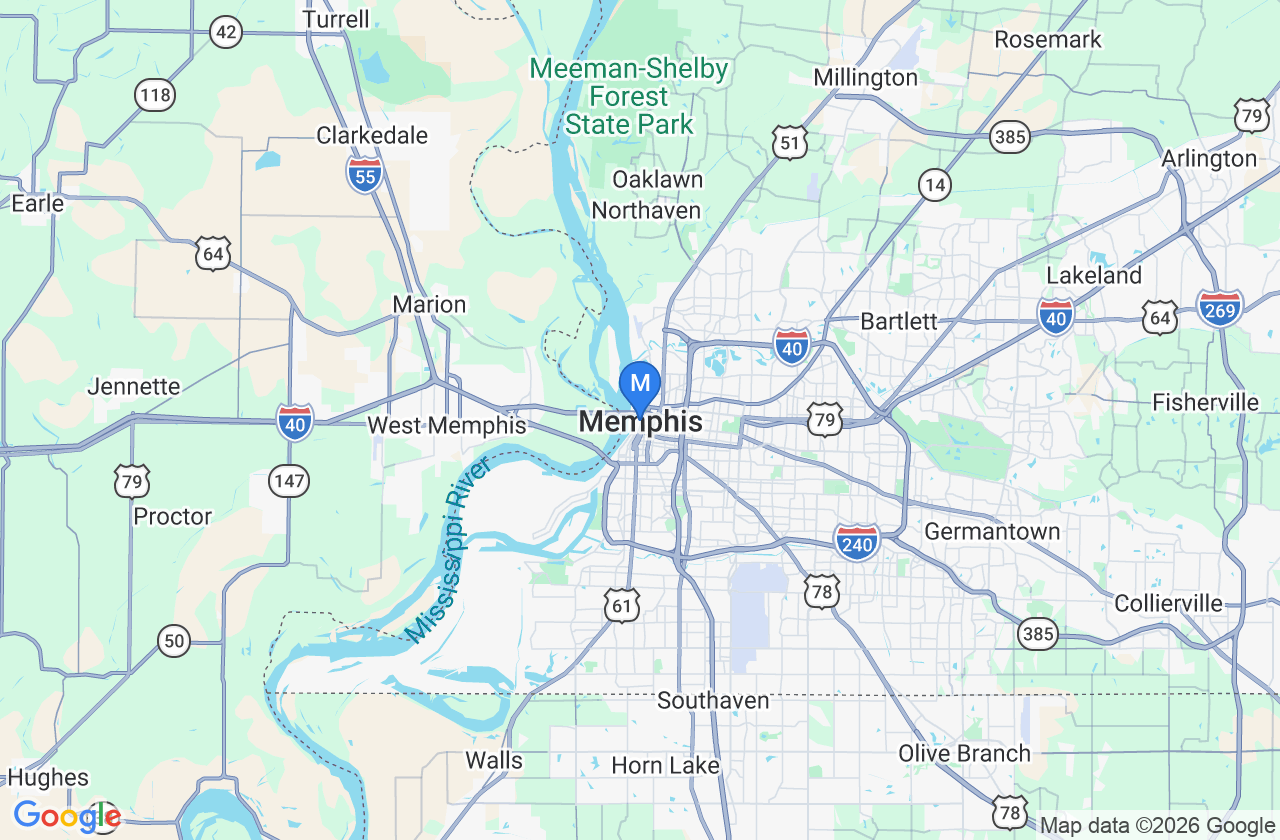
Live market dashboard
Memphis, TN
Compare the live market screen with this article before you move into a property-specific scenario.
Investor takeaway
Proceed with acquisitions in promising ZIP 38104, watch 38118/38111, avoid 38128/38109; use DSCR >1.20x screening with $833/mo PITIA.
Decision
Memphis remains a compelling DSCR playground. The city’s median sale price sits at $147,033, with a sale-to-list ratio of 0.969 and 45 days to pending-classic signs of buyer leverage. The typical home value (ZHVI) is $142,870, down 2.9% YoY, yet inventory is up 25% and median days on market are 81, giving investors ample time to negotiate below-list prices. With a city rent proxy of $1,000/mo, the public quick read caps monthly payment at $833/mo for a 1.20x DSCR, comfortably within the typical 1.30-1.45 range. The highest-priority ZIP is 38104 (Midtown/Core), where the ZHVI proxy is $130K, offering the best rent-to-value spread. While the market is still cheap, the data suggest it is also workable for DSCR investors who can validate rents and maintain a conservative DSCR threshold.
The real edge is not that every Memphis deal works; it is that the market now gives you enough inventory and pricing flexibility to be selective, pressure-test the rent support quickly, and move only on the ZIPs where the DSCR read still has room after real-world friction.
Why the setup works or doesn't
Memphis only is worth pursuing when the rent support and purchase basis stay disciplined. City rent proxy: $1,000/mo. The rough max monthly payment of $833/mo is a read ceiling before taxes, insurance, vacancy, and capex, not a payment target you can trust without more work.
Treat $833/mo as a fast stop line. If a listing only works by stretching rent, assuming cleaner expenses than the local reality, or hoping the lender will bail out thin coverage, the Memphis screen is already telling you to pass early.
The practical move is to use the city read to decide whether a listing deserves another look, then verify the rent support at the ZIP and property level before you spend time on lender docs. Use the dashboard as a first-pass review layer, not as parcel-level deal review.
Where the market still works
Memphis is a basis-first market right now, not an appreciation-first market. Buyer leverage: 96.9% sale-to-list, 45+ DOM, 25%+ inventory growth.
That matters because the public DSCR read only works when the buy basis leaves room beneath $833/mo before real-world friction. If a deal needs rent stretch, unusually light expense assumptions, or future appreciation just to clear that line, the basis is already doing too much work.
96.9% sale-to-list, 45+ DOM, 25%+ inventory growth, low price, favorable DSCR range 1.30-1.45. The opportunity is to use inventory and negotiation leverage to buy cleaner, not to assume future appreciation will rescue thin coverage.
The practical caution is simple: Lack of city rent index, rent proxy uncertainty, potential overestimation of yields, 2.9% YoY value decline. review the deal Memphis as a negotiation-and-rent-verification market, with first attention on 38104 Midtown/Core, rather than as a citywide appreciation bet.
Why the setup is selective
The selective setup in Memphis comes down to this: 96.9% sale-to-list, 45+ DOM, 25%+ inventory growth, low price, favorable DSCR range 1.30-1.45. Lack of city rent index, rent proxy uncertainty, potential overestimation of yields, 2.9% YoY value decline.
Those conditions can both be true at the same time. The opportunity lives in basis, inventory, and seller posture; the caution lives in rent proof, submarket dispersion, and the fact that the city read is only a starting point.
That is why Memphis is usable, but selectively usable. Screen the market at the city level, decide at the ZIP level, and only trust a deal after parcel-level deal review confirms the rent support still works in 38104 Midtown/Core.
In practice, keep 38118 Parkway Village and 38111 East Memphis as backup sourcing areas and treat 38128 North Memphis and 38109 South Memphis as caution territory unless a deal-specific rent edge is obvious.
ZIP priority
Start with 38104 Midtown/Core because those ZIPs are the cleanest current path to a workable DSCR read.
- 38104 Midtown/Core: Midtown ZHVI Proxy: $130K
- 38118 Parkway Village: lower purchase price
- 38111 East Memphis: rough rent-to-value read proxy
Use 38104 Midtown/Core for first-pass sourcing because those ZIPs currently offer the cleanest balance between basis and rent support.
Treat 38128 North Memphis and 38109 South Memphis as caution areas unless a deal-specific rent edge clearly offsets the weaker posture.
Use the watch ZIPs as secondary sourcing areas only after you verify rent quality, tenant profile, and management risk.
For now, keep 38104 Midtown/Core in the first-pass deal review queue, recheck 38118 Parkway Village and 38111 East Memphis only after fresh local rent comps confirm coverage, and keep 38128 North Memphis and 38109 South Memphis in caution status unless price and in-place rent create clear DSCR margin over the city read proxy.
Next 90 days
For the next 90 days, the job is to convert today’s seller leverage into cleaner basis before that window narrows. Target lower purchase price submarkets (38104, 38118) for below-list purchases; validate rents and investor loan activity.
- Source first in 38104 Midtown/Core where the current screen is clearest.
- Keep 38118 Parkway Village and 38111 East Memphis as secondary areas if pricing improves faster than management risk.
- Use $833/mo as the fast stop line before taxes, insurance, vacancy, and capex.
- Watch acquisition leverage: Buyer leverage: 96.9% sale-to-list, 45+ DOM, 25%+ inventory growth.
- Watch rent cushion: Rent proxy absence blocks DSCR math; potential overestimation of yields from small samples.
If inventory normalizes or the rent support weakens, tighten the screen instead of expanding the buy criteria. The near-term edge is disciplined negotiation and rent verification, not waiting for appreciation to rescue thin coverage.
Execution plan
- Acquire: Target lower purchase price submarkets (38104, 38118) for below-list purchases; validate rents and investor loan activity.
- Refi: Consider refinancing once property yields confirm >1.20x; monitor market softness.
- Hold: Hold properties with proven rent stability and low vacancy; avoid high-risk ZIPs (38128, 38109).
- Sequence: source first in the promising ZIPs, validate rents with local comps, and only then move to deal review.
- Risk control: keep vacancy, capex, and tenant-quality checks outside the public proxy and inside the real deal screen.
- Decision rule: if a listing cannot survive the quick read with room to spare, pass early and keep moving.
Execution discipline matters more than volume here: use the public dashboard to protect time, let local rent verification decide whether the deal survives, and only move toward application when the ZIP story and the property story still agree.
This article uses the public dashboard as a screening and triage layer, separating city rent proxies, metro acquisition pressure, and ZIP‑level dispersion. It is not a parcel‑level underwriting memo.
DSCRInfo keeps the underlying research record off the public page. Public articles disclose the sources, geography scope, methodology, and the linked dashboard's dated screening basis without publishing raw source materials.
Compare this read against the live Memphis, TN dashboard before you move into property-level deal analysis.
Application next step
Ready to take this market into a live DSCR application?
Only move forward if the market and the property still fit your criteria. Continue into Sphinx Capital's loan application when the deal-level math still works. DSCRInfo will carry this market context into the application start.
If you apply with Sphinx Capital from this page, DSCRInfo may receive referral compensation. See disclosures